
By Elana Simpson, Contributing Writer
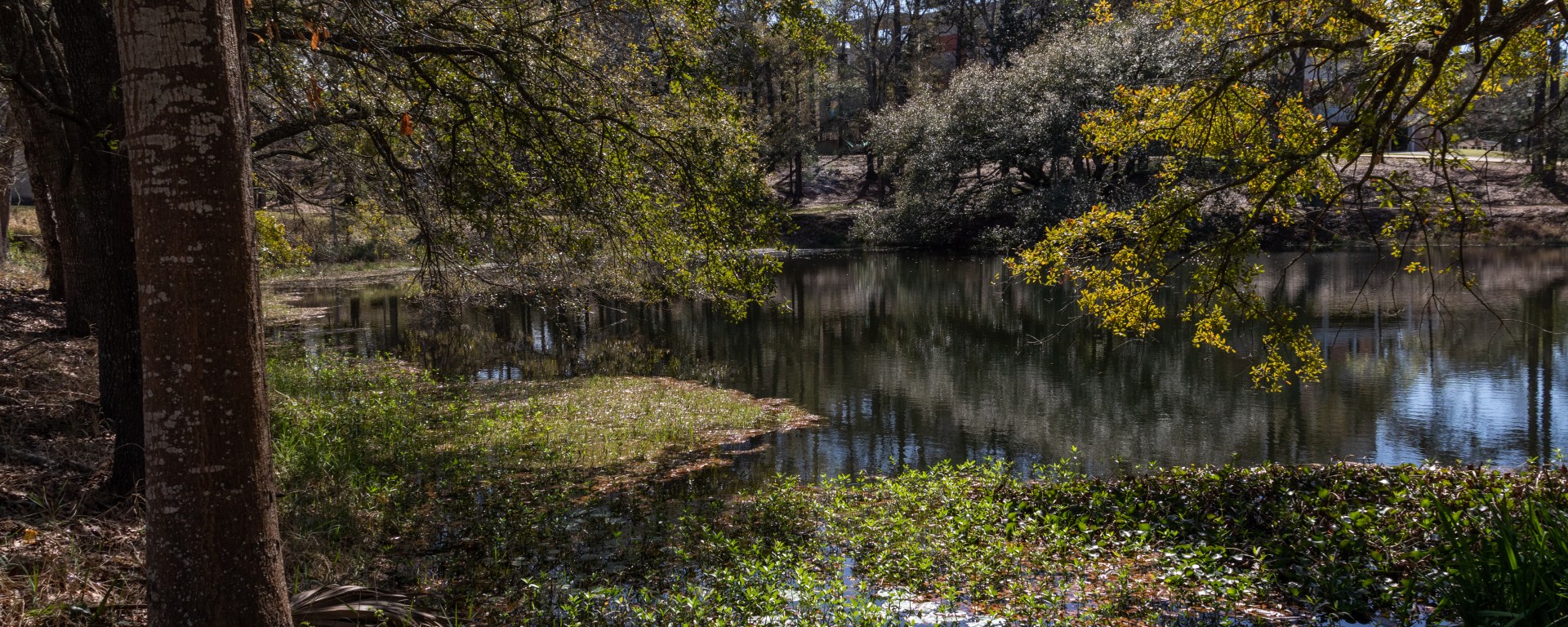
Photo from USA The Vanguard
Some might say the most significant day of 2024 passed with barely a whisper. It is understandable with politics and social media taking all of our collective attention. But, we should all be thinking about Aug. 1. Aside from the first being World Wide Web Day, Aug. 1, 2024 also had the distinction of being Earth Overshoot Day this year. The annual overshoot marks the day when humanity’s demand for natural resources has exceeded what the planet can regenerate in a year. Since the early 1970s, the planet has been in an ecological deficit with the very first Earth Overshoot Day occurring on Dec. 25, 1971. So how do we fix it? That is what the Stokes School of Marine and Environmental Sciences is intending to do by educating its students to become more informed citizens of our planet.
Rarely does a topic find itself globally to be at the intersection of science, society and politics, but that is exactly where you will find the topic of climate change. Scientists worldwide have been studying it for well over 150 years; but it’s just in the last 4 decades that they have been raising a red flag in earnest.
According to the World Health Organization (WHO), “Climate change is directly contributing to humanitarian emergencies from heatwaves, wildfires, floods, tropical storms and hurricanes and they are increasing in scale, frequency and intensity.” Climate change is expected to continue to have a direct effect on the availability of natural resources. This is the primary reason that Earth overshoot day is expected to occur earlier and earlier each year.
The National Oceanic and Atmospheric Administration (NOAA) is reporting that 2024 is expected to be one of the hottest years with global temperatures breaking records month after month. Aside from the fact that the summer heat made for yet another bad year of tomatoes in my mother’s garden, what does this mean for the southeast? The southeast is expected to experience more extreme heat, increasing drought conditions, the risk of wildfires doubling, a decrease in freshwater availability and a rising ocean. In Sept. 2023, we saw this impact in one of our closest neighbors when New Orleans experienced a drinking water crisis due to salt water intrusion from the Gulf of Mexico. The intrusion was believed to be caused by drought and rising sea levels. The drinking water of 1.2 million residents was in jeopardy. To put this in perspective, the population of Mobile County is just shy of 500 thousand.
So how do we combat climate change? According to Dr. Molly Miller, a professor at Stokes, South is committed to educating students across all disciplines in the areas of sustainability and environmental science. In addition to the major, South has created two new minors to address the need to have people who are able to collaborate and understand the science, economics and social impact of our collective action on the livability of this planet. The minors in sustainability and environmental science were introduced in spring of 2023 and are prepared to educate the future decision makers with the intent to move society as a whole forward.
Miller believes that the minors are accessible to all students and will “expose individuals to a different way of thinking and problem solving by understanding the bigger picture.” The longtime advocates in the Environmental Science community have acknowledged that science alone won’t save us from this hole we are digging. The Earth needs everyone–politicians, teachers, and engineers alike–to be engaged in the solution because climate change is just not an issue for science. There is an equally important economic and social component.
For the student looking to dip their toe in the environmental water, South is offering a one-unit class, entitled ENV100 gulf environment and society seminar. This seminar, offered on Monday from 5-6 p.m., will host the professors of Stokes as well as experts in the field. It is open to the public and it is a great way to get a start developing an understanding of not only what the minors offer, but also the subject matters that students will be studying in sustainability and environmental science.
Due to Stokes’ unwavering commitment for these minors to engage with every student regardless of major, there are classes that satisfy the minors in anthropology, sociology, history, education and engineering, with the promise of more classes to be added across disciplines each term. They are actively trying to live Dr. Seuss’ now famous declaration, “Unless someone like you cares a whole awful lot, nothing is going to get better. It’s not.” We are all being challenged to be someone.
 Jag Media