
By: Thomas Dean, Contributing Writer
Photos by Lindon Horn
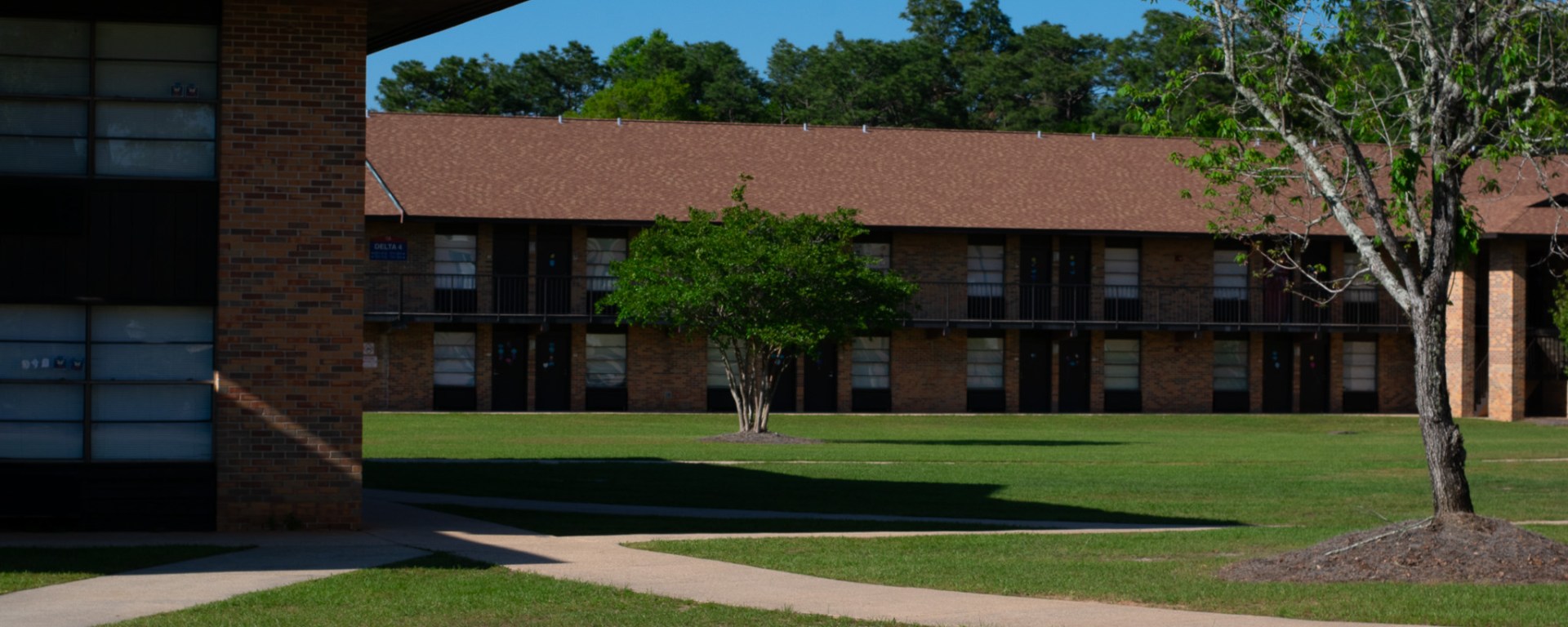
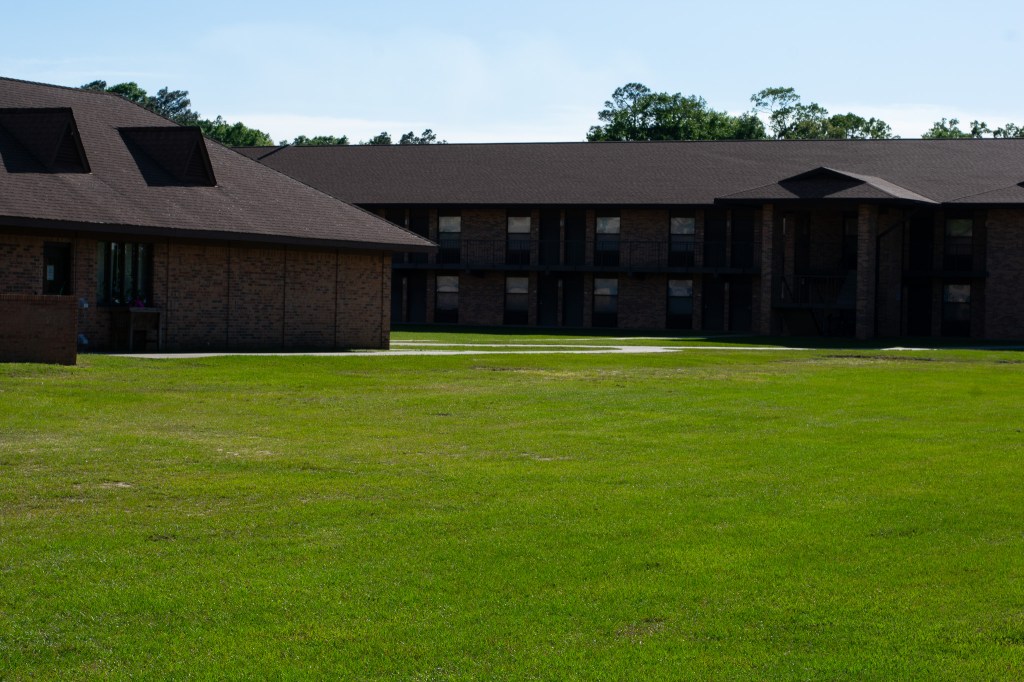
Everyone is familiar with the saying that grass is always greener on the other side – though this old adage reflects a current trend in campus agriculture. Green grass on campus is about as reliable as the estimated wait time in the food court. While abundant in some areas, like the Student Center courtyard, other spaces leave some to be desired, like the common areas around the Delta residence halls. To better understand these issues, “The Vanguard” spoke with Scott Crow, the Assistant Director of Grounds and Landscaping, about the state of the campus’ grass.
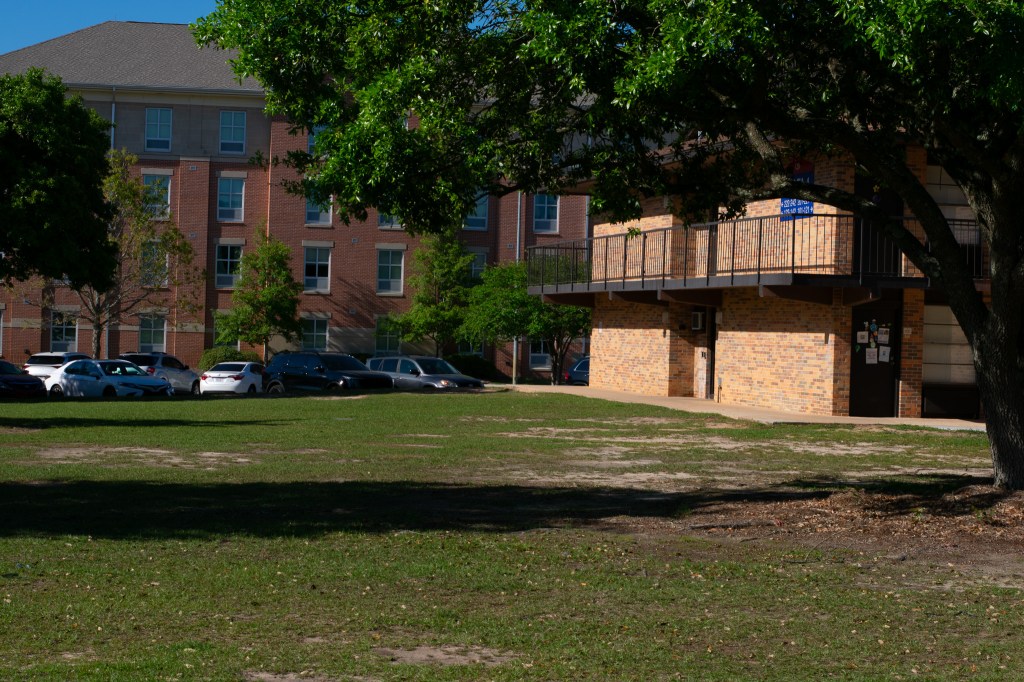
“Almost all of the grass on campus is a Tifway 419 Bermuda blend,” Crow explained. “This variety thrives in the unpredictable climate of the south, which includes both wetland areas and intense summer heat. If you notice any patchy areas on campus, they’re likely correlated with increased foot traffic over those areas.”
Tifway 419 Bermuda is a popular warm-season variety known for its resilience, making it well-suited for humid and sunny conditions throughout the Southeastern region. Popular amongst sporting venues as well, Hancock Whitney and Stanky Field both utilize the same seed blend as the rest of campus.
“While we take great pride in our campus’s landscaping, many of the problems we face come down to basic wear and tear. Grass, in its natural state, is not meant to withstand heavy foot traffic. With the sheer number of footsteps on campus daily, it’s unrealistic to expect every area to maintain that vibrant, healthy green look.”

In places that see a lot of foot traffic, like the Delta residential area, it’s difficult for grass to thrive.
“Everyone enjoys spending time on the grass and playing around, but unfortunately, that’s not ideal for the grass’s health. Areas on campus with more sidewalks, like around the student center, tend to have healthier grass because there’s less movement. I’m not saying students shouldn’t enjoy the outdoor spaces—that’s exactly why we maintain them—,but it’s important to have realistic expectations for the grass with constant foot traffic,” said Mr. Crow.
It seems that the grass is always greener on the other side, but it might just be because we’re standing on it.
 Jag Media