
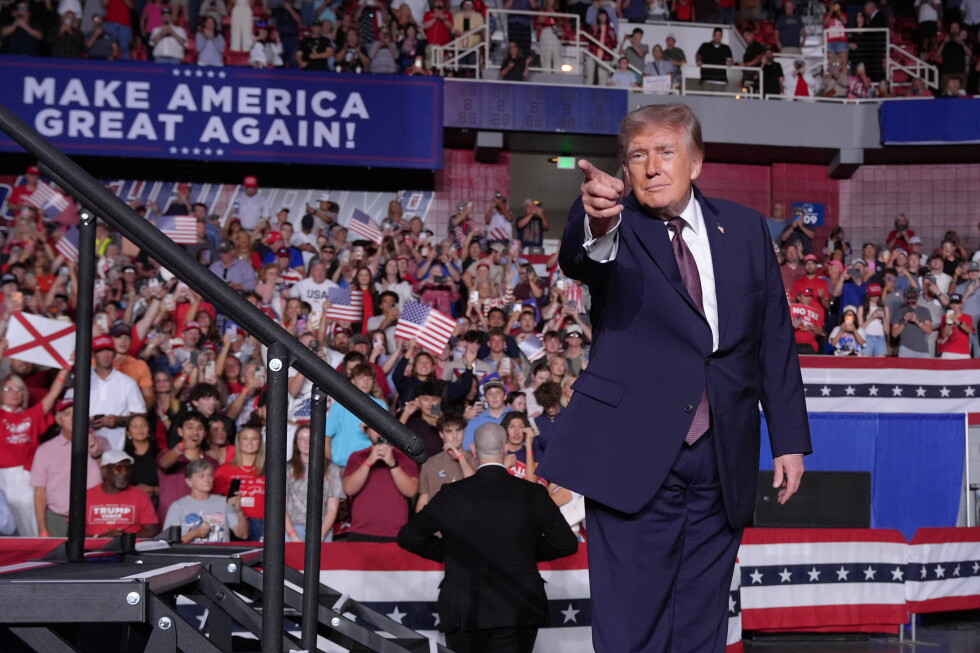
Article by: Lavender Ibrahim, Contributing Writer, Photo Courtesy of Jacquelyn Martin for AP News
Universities serve as centers of education, research, cultural expression, and community engagement. Through art exhibitions, theatrical productions, concerts, and fundraising events, students gain practical experience and opportunities to share their work with the public. However, President Donald Trump’s visit to the University of South Alabama on Oct. 2, 2026, illustrates how major political events can disrupt campus activities and life. The visit also coincided with broader federal policy debates over funding for the arts and student financial aid, raising questions about the resources and opportunities available to students pursuing arts education.
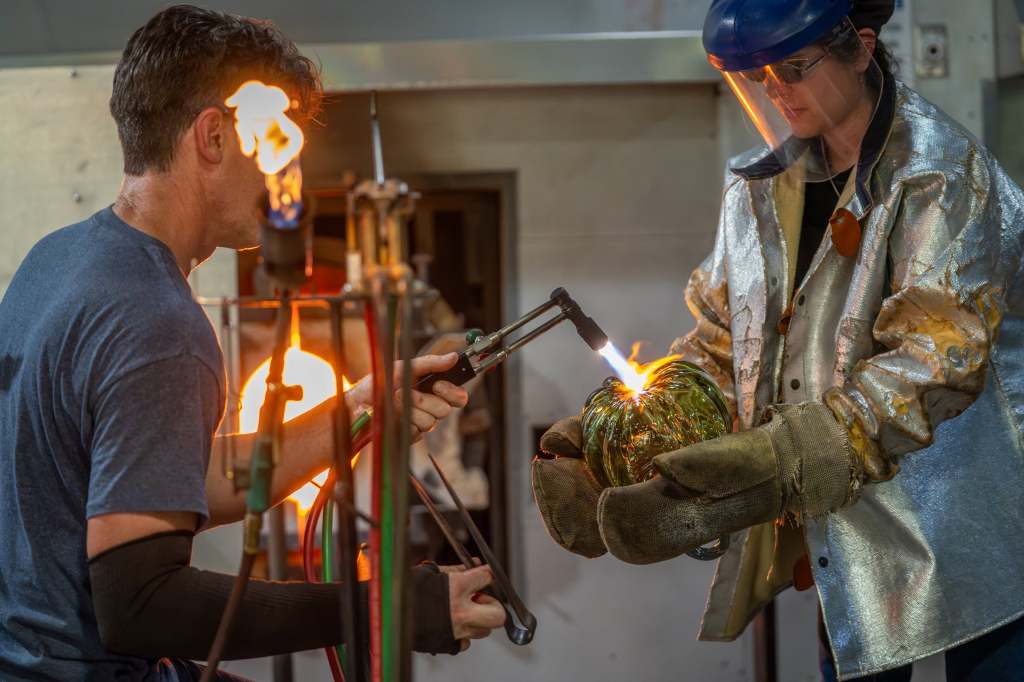
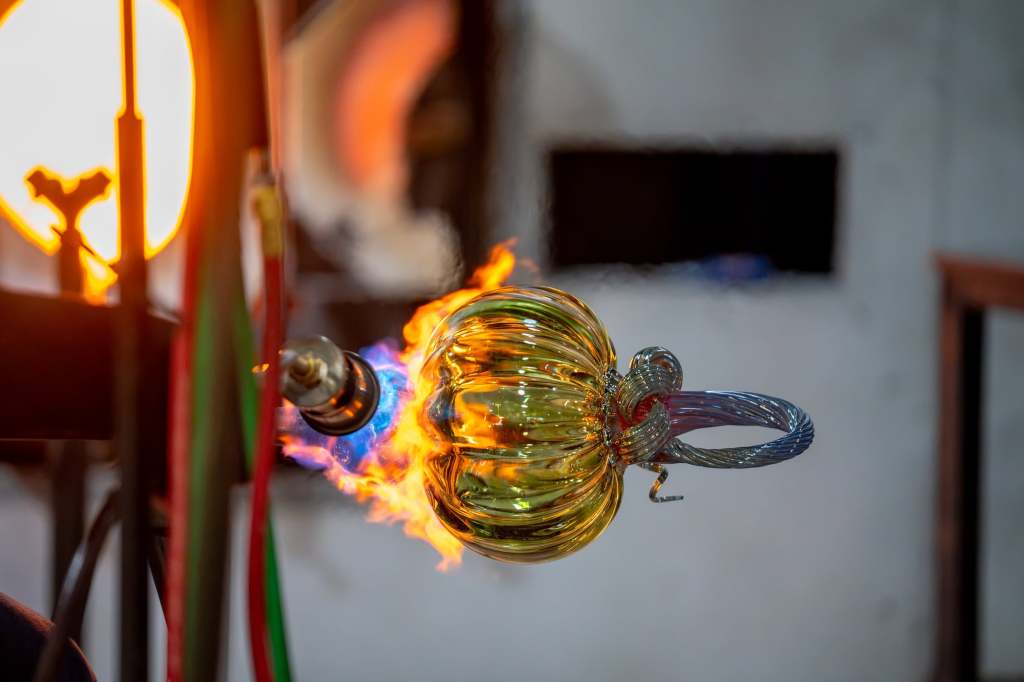
President Trump visited South for a political rally at the Mitchell Center, which the Republican National Committee reserved. The university clarified that the event was not university-sponsored. However, because the visit coincided with homecoming week, security arrangements and logistical changes affected several scheduled campus activities. The Glass Pumpkin Patch Festival, an annual event featuring glass-blown pumpkins created by students and faculty, was shortened to 7:30 a.m. through 11:30 a.m. The university also canceled a scheduled performance of “A Year with Frog and Toad” by Theatre USA. Other activities were relocated, rescheduled, or canceled, while road closures and building-access restrictions affected campus operations.
These disruptions had implications for the university’s arts programs. The Glass Pumpkin Patch Festival gives students an opportunity to display and sell their work while raising funds for the Department of Art and Art History. Shortening the event reduced the time available for visitors to attend, potentially limiting sales and fundraising opportunities. The festival also serves an educational purpose. Glassblowing requires specialized equipment, materials, studio facilities, and supervised practical experience. Students who sell their artwork have the opportunity to connect their technical training with the realities of presenting and marketing creative work. The festival consequently supports more than a single department fundraiser; it also provides a setting in which artistic education and public engagement intersect.
The canceled Theatre USA performance of “ A Year with Frog and Toad” affected a different aspect of arts education. Whereas the Glass Pumpkin Patch Festival depended on a limited period of public access, a theatrical performance requires the coordination of performers, technical crews, venues, and audiences at a specific time. A canceled performance cannot be replaced simply by reopening the venue on another day. For many productions, obtaining the rights to a show is required to present it to the public. When publications provide these rights to departments, they approve a set date for when their products will be performed. This takes away the option of moving the show to a later date.
The university theatre provides students with opportunities to apply skills developed through coursework and rehearsal. Performers practice characterization, movement, voice, and collaboration, while other students contribute through lighting, costumes, stage management, and set construction. A public performance brings these efforts together in a completed artistic experience. When a scheduled performance is canceled, students lose an opportunity to present that work to an audience, while audience members may also lose an opportunity to attend a production they had anticipated seeing. Departments also lose money that they raised through ticket sales, which may affect future productions. The cancellation demonstrates how restrictions created around a large event can affect artistic activities that are not themselves part of the political gathering.
The disruption occurred amid broader debates over federal support for the arts and higher education. In its 2027 fiscal year budget request, the Trump administration proposed reducing funding for the National Endowment for the Arts (NEA) from an estimated $207 million in 2026 to $29 million to facilitate the agency’s closure. If implemented as proposed, the reduction would substantially diminish the agency’s grantmaking capacity.
The NEA supports arts organizations and projects through grants and partnerships with state and regional arts agencies. President Trump’s reduction of the NEA funding affects programs that rely on this federal funding for performances, exhibitions, arts education, and community engagement. Although the University of South Alabama’s disruptions were not directly caused by the federal budget proposal, the two developments highlight different factors that can influence access to artistic opportunities.
Students’ financial aid presents another concern. In June 2026, the Trump administration finalized higher education accountability rules that will require college programs to meet specified graduate earnings benchmarks to retain eligibility for federal student aid. Under the rules, programs that fail the earnings test in two out of three years could lose access to federal student loans. Programs that fail for three years could also lose access to Pell Grants.
These changes do not automatically eliminate financial aid for all students studying art. However, the rules could affect some programs in fields such as visual and performing arts, music, and film, and reports state that the earliest potential loss of federal loans under the new rules could occur in 2028.
For students pursuing arts degrees, these policies introduce an additional financial consideration. Students who depend on loans or grants may face greater difficulty financing their education if an eligible program loses access to federal aid. The potential consequences extend beyond tuition, as financial barriers can also affect students’ ability to remain enrolled, participate in theatrical productions, purchase materials, and complete practical coursework.
Taken together, the campus disruptions and federal policy changes illustrate several distinct pressures on arts participation. The shortened festival and canceled theatrical performance demonstrate how event planning and access restrictions can interrupt educational and public activities. The proposed NEA reduction raises concerns about the future availability of institutional and community arts funding, while the student federal aid rules introduce potential financial barriers for students enrolled in certain programs.
These developments have different causes and should not be treated as evidence that one directly produced another. Nevertheless, they highlight the importance of both institutional planning and financial support in sustaining arts education. Diversified funding through institutional budgets, private donations, ticket sales, grants, and community partnerships can help arts programs manage financial uncertainty, although alternative sources may not fully replace the loss of federal support.
Ultimately, arts education depends on more than the availability of funding alone. Students also need accessible facilities, opportunities to present their work, and the financial means to pursue their studies. The events at the University of South Alabama provide a local example of how decisions like the ones made due to President Trump’s rally can affect artistic participation, while federal funding and financial aid policies raise broader questions about the long-term accessibility of arts education.

