
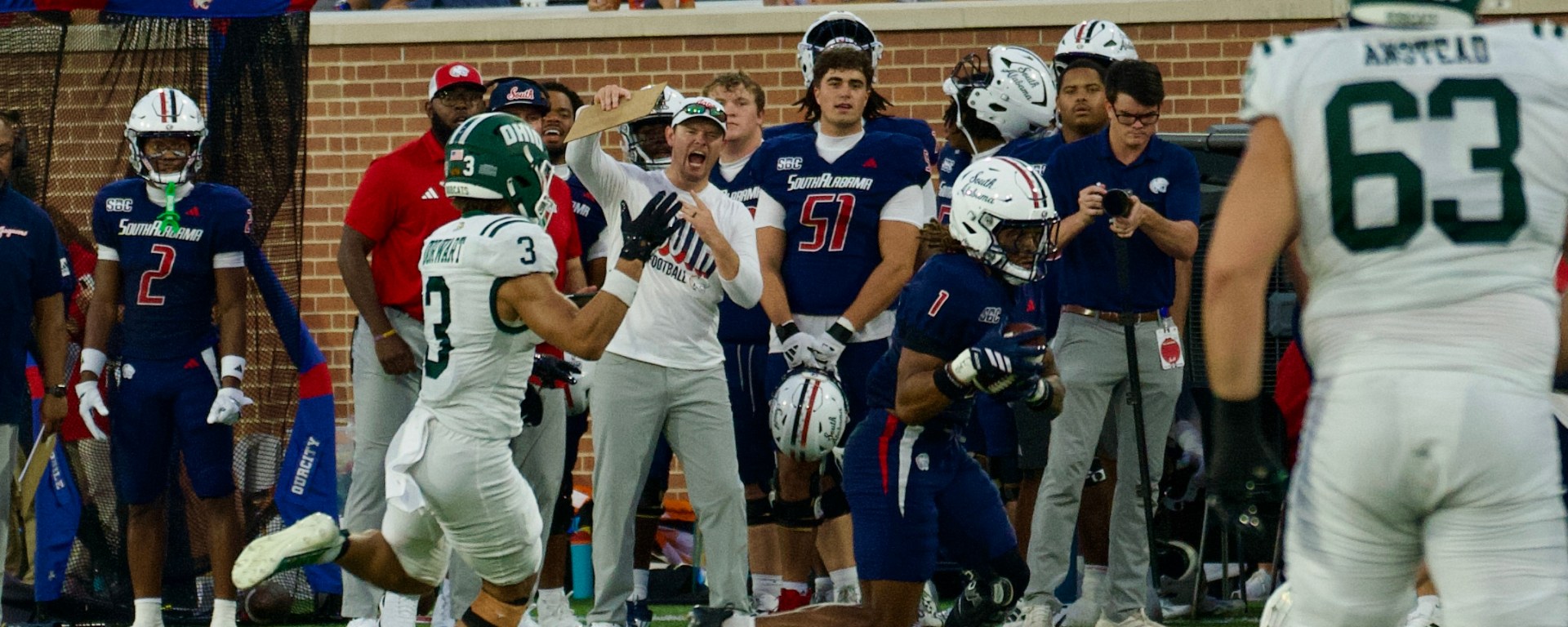
Article by: Drayten Nobles, Contributing Writer, Photo by Joseph Andrews
On Sept. 28, 2026, the U.S. Senate passed the Protect College Sports Act, which would establish national rules governing name, image and likeness (NIL) deals, transfers, and direct athlete compensation in sports. As of now, the bill awaits consideration by the U.S. House of Representatives.
If passed, the Protect College Sports Act would cap direct player payments at up to $27.5 million, limit athletes to one transfer without sitting out a season, provide antitrust protection to enforce the new rules, and more. The act builds on the House v. NCAA settlement, bringing the potential school-funded compensation up to around $48 million. Along with this, it limits third-party NIL deals, preventing schools from using third parties to bypass the revenue-sharing cap.
“I think this was a good move; NIL was getting out of control. At the end of the day, the game isn’t about money, and that’s what it became,” said Megan Davidson, a player on the University of South Alabama softball team.
NIL has taken college sports by storm over the past few years by allowing college athletes to earn money through sponsorships and endorsements. It has changed how players are recruited and how many schools’ college coaches assemble their teams. NIL has also affected the transfer portal by allowing players to leave during parts of the offseason to find better offers from other teams. Fans around the country have had mixed emotions surrounding NIL, and some fans are in favor of the new restrictions.
“I think NIL has both its positives and negatives. I do believe that student-athletes deserve to be paid because college sports have become crucial entertainment for fans. However, the payment amounts and lack of control have become absurd,” said Jacob Woods, a sports fan and student at the University of South Alabama. “I think the act [if] passed, putting a cap on NIL, is a good thing, and limiting how many athletes are allowed to transfer is a great way to let the base be able to stay familiar with players.”
There is no set implementation date, as the bill requires approval from the U.S. House of Representatives and the president’s signature. If it does not complete the legislative process before the end of the 119th Congress, the act will have to be reintroduced.

